
Meet the experts who will lead the lectures
Keep up-to-date on the important deadlines
Register now for the workshop!
See the full program now!
HOME
Saas-Fee 2027
For the last 55 years the Swiss Society for Astrophysics and Astronomy has hosted an advanced course for doctoral students on a variety of astronomical topics in the beautiful mountain village of Saas Fee. From stellar physics to cosmology, previous editions has attracted some of the biggest names in astronomy. The 2027 edition will be on “From Particle Physics to Astrophysics - Cold Dark Matter and Beyond".

HOME
Cold Dark Matter and Beyond
Understanding the nature of dark matter remains one of the most pressing open problems in modern physics, sitting at the intersection of particle physics, cosmology, and astrophysics. In this series of lectures we will explore the case for dark matter, both from an astrophysical and particle viewpoint. We will examine the motivation for cosmological dark matter and those models that are looking beyond. Finally we will look to experiments that are pushing the boundaries of dark matter science and what we hope to discover in the next decade.
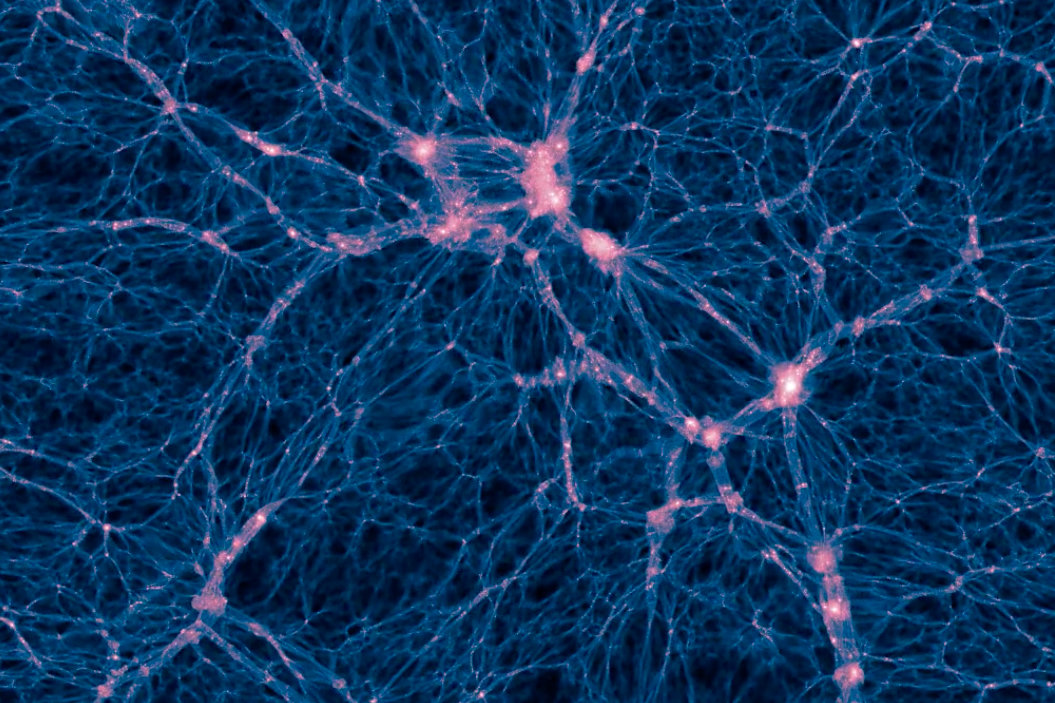
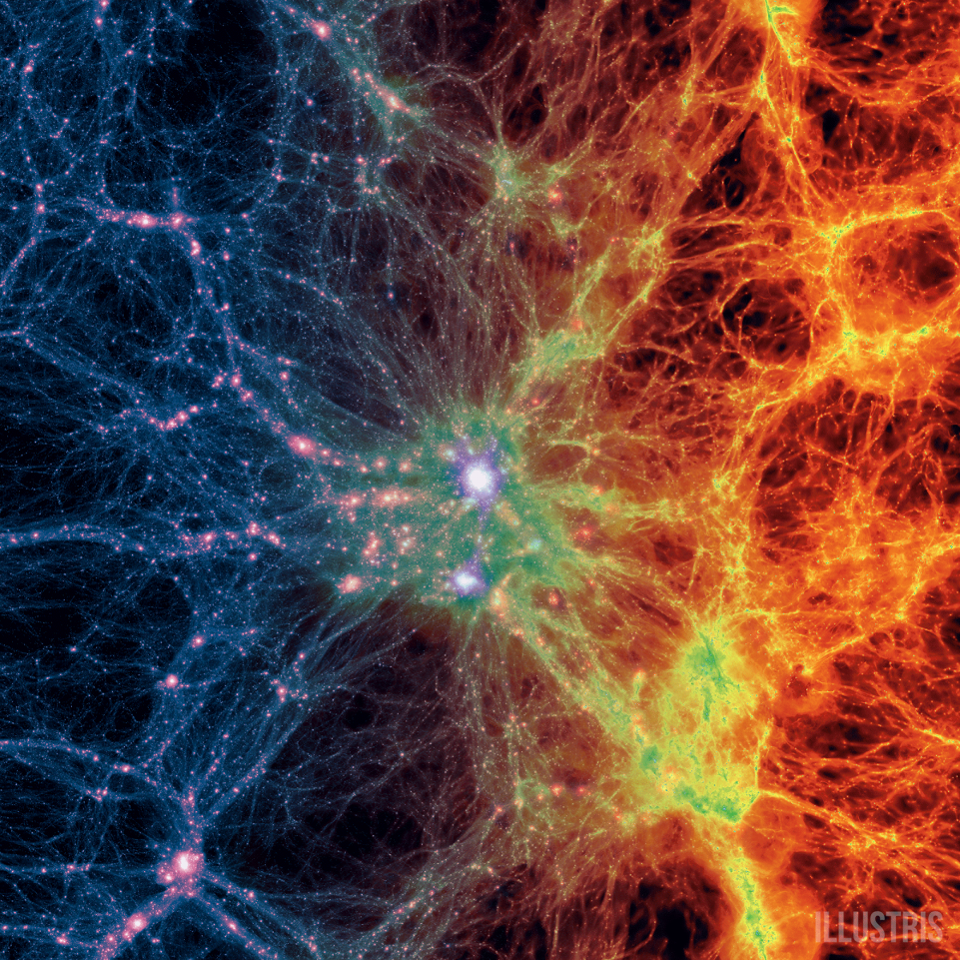
While a wide range of theoretical candidates has been proposed—from weakly interacting massive particles (WIMPs) and axions to sterile neutrinos, self-interacting dark matter, and more exotic frameworks—each class of models carries distinct theoretical motivations and predicts different observational signatures. However, these ideas are often developed within partially separated communities, with particle theorists focusing on ultraviolet completions and collider constraints, while astrophysicists emphasize gravitational and cosmological signatures inferred from structure formation, galaxy dynamics, and lensing.Bridging these perspectives is essential.
A clear communication of the underlying theoretical assumptions behind each dark matter scenario allows astrophysical observations to be interpreted in a more model-aware way, avoiding overly generic or misleading constraints. Conversely, astrophysical and cosmological data provide some of the most powerful and sometimes unique probes of dark matter properties, offering guidance for model building and helping to discriminate between competing frameworks that may appear similar at the level of particle physics alone. This exchange is particularly timely given the increasing precision of both experimental searches and astronomical surveys.
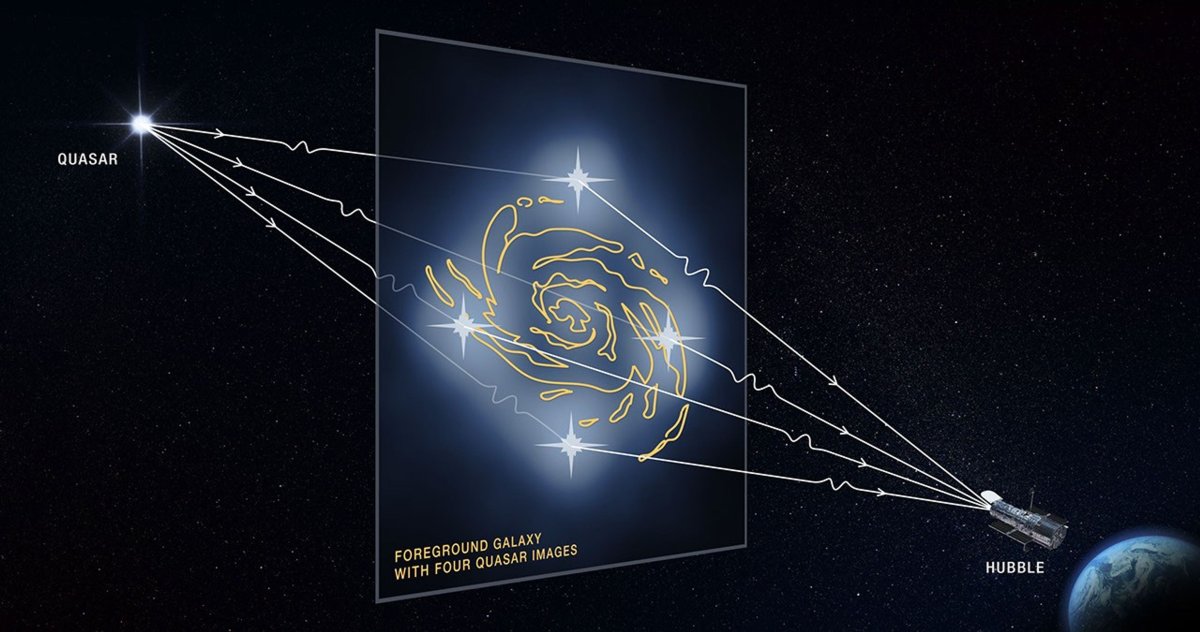
As data quality improves, the interpretation of potential signatures—whether in small-scale structure anomalies, indirect detection signals, or cosmological tensions—requires a coherent understanding of the theoretical landscape. A conference bringing together these communities thus plays a crucial role in aligning language, clarifying assumptions, and fostering a shared framework for identifying robust signatures of dark matter and constraining its fundamental nature.
HOME
Confirmed Speakers
Our confirmed speakers are world leading experts in the particle and astrophysical search for dark matter.
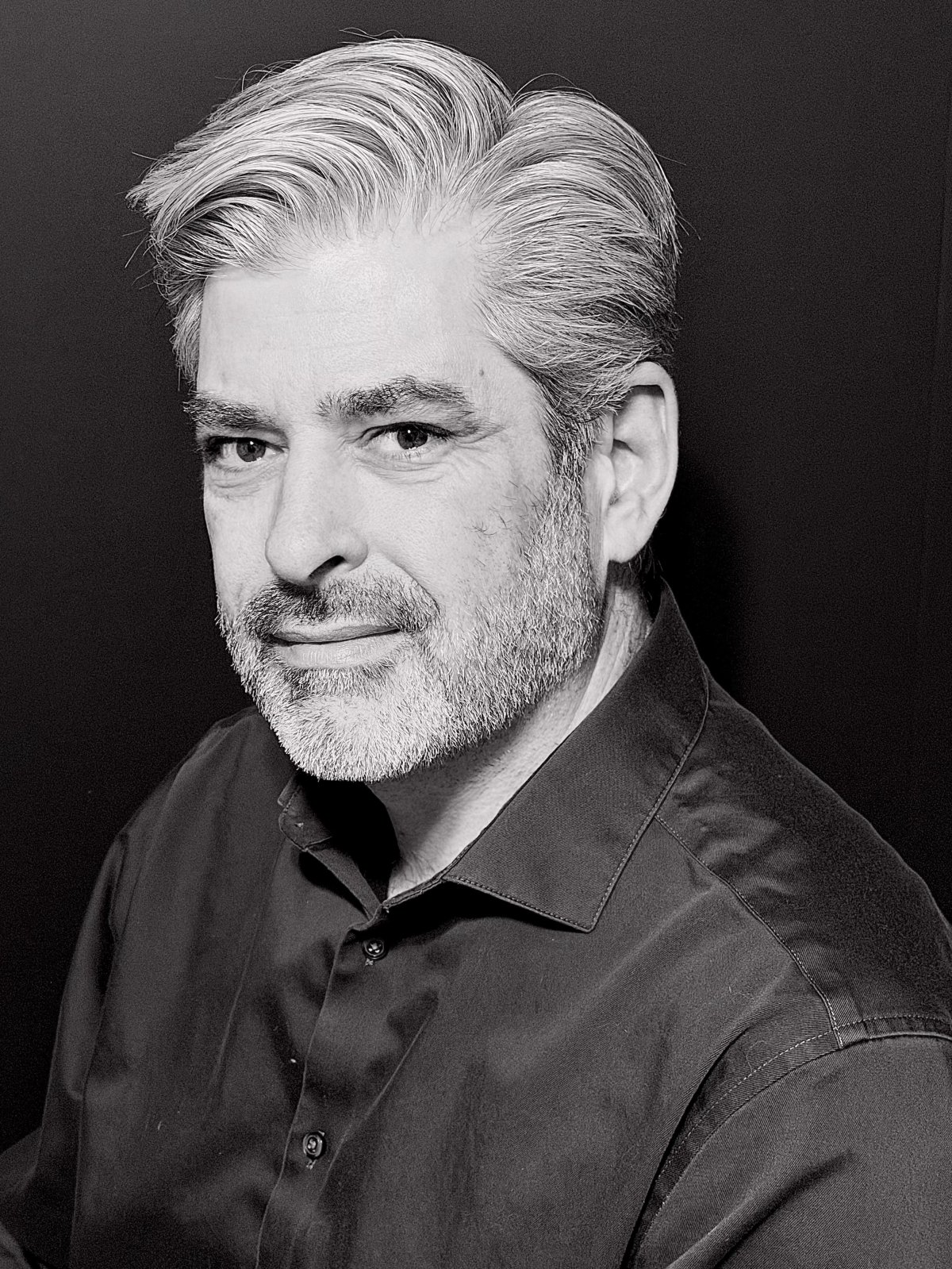
Professor Dan Hooper
Professor of Physics at the University of Wisconsin-Madison and director of the Wisconsin IceCube Particle Astrophysics Center
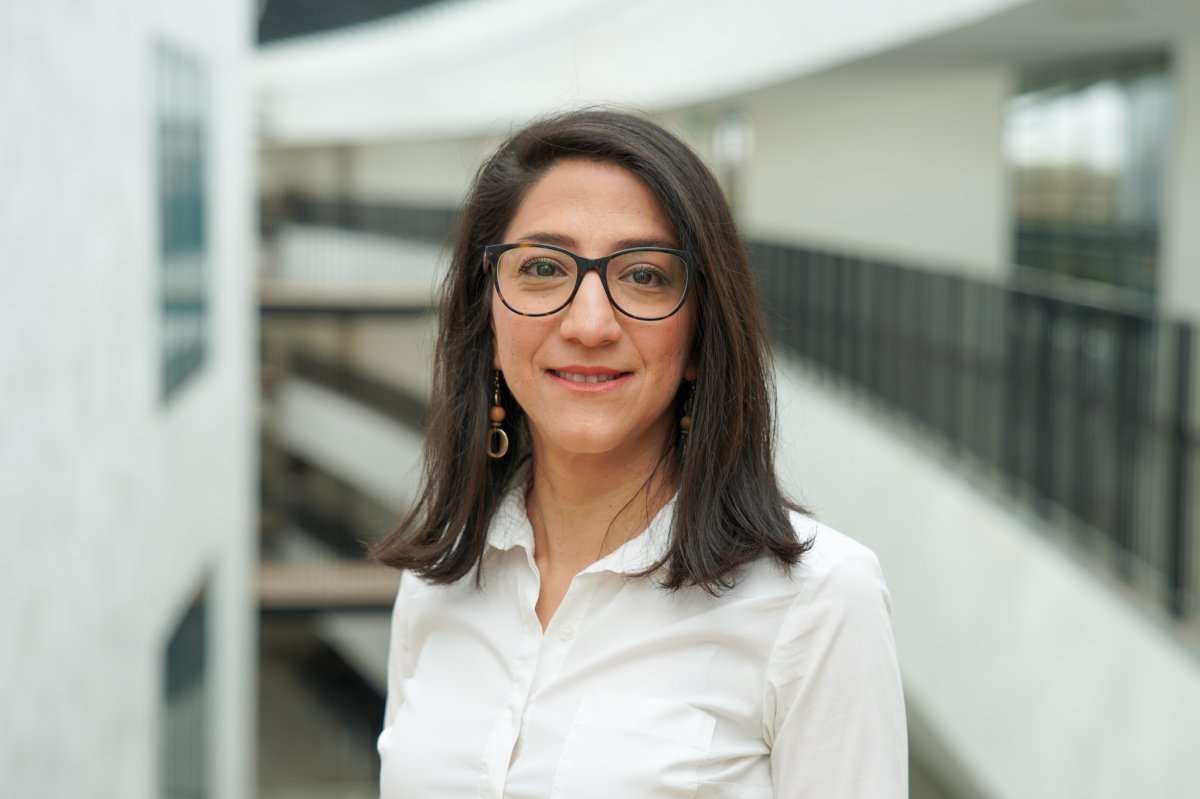
Professor Azadeh Fattahi
Professor of Physics and a Wallenberg Academy Fellow at Stockholm University

Professor Celine Boehm
Professor and Head of Physics at University of Sydney
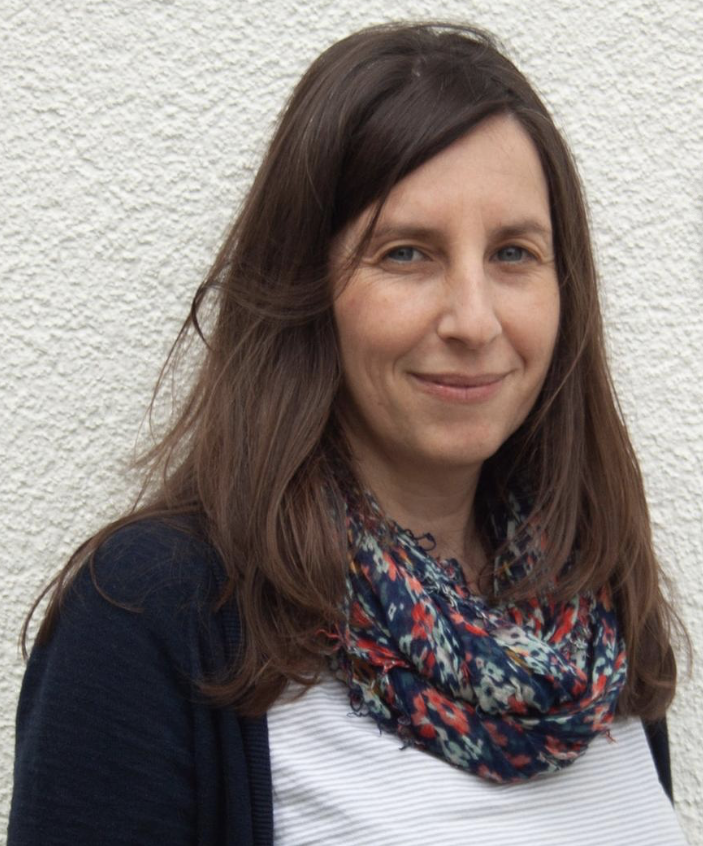
Dr Simona Vegetti
Lise Meitner Research Group Leader at the Max Planck Institute for Astrophysics (MPA)
HOME
The Organising Committee
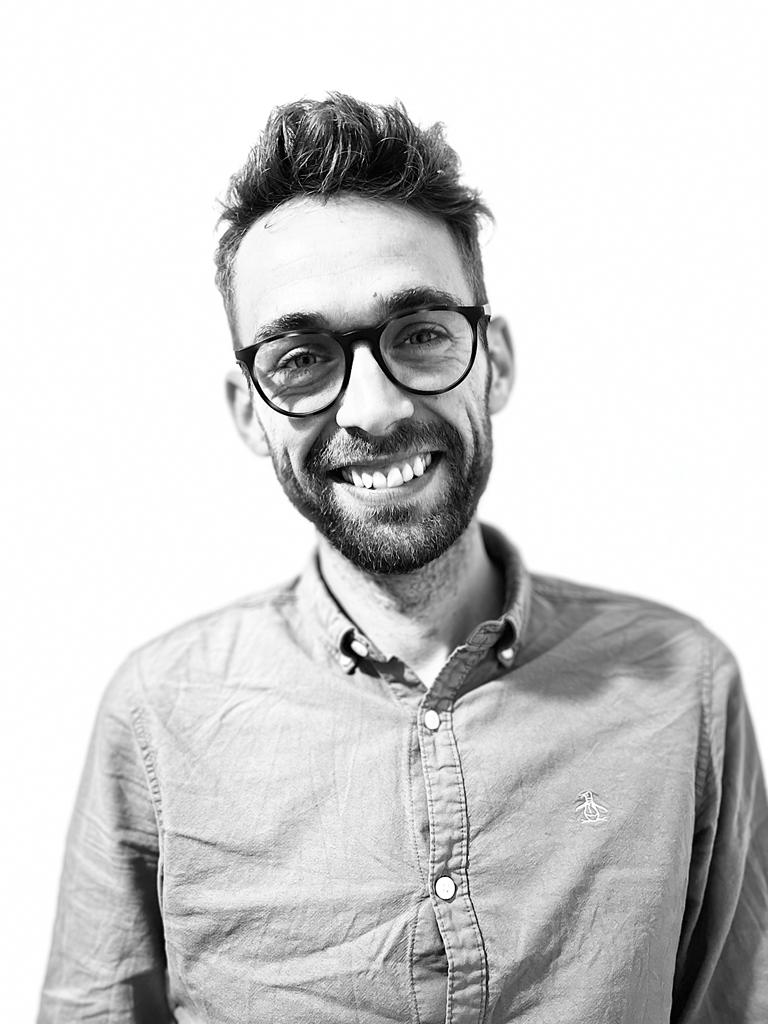
Dr David Harvey
Dr David Harvey has a SEFRI funded ERC Starting Grant to study the nature of dark matter with massive galaxy clusters. He is an expert in gravitational lensing, machine learning and presentation workshops.
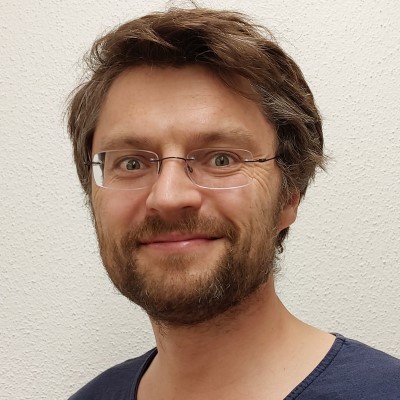
Professor Aurel Schneider
Aurel is a Professor at the Department of Astrophysics (Institut für Astrophysik) at the University of Zurich (UZH).
His research interests lie within the fields of cosmology and theoretical astrophysics and is working on nonlinear structure formation as well as the astrophysical aspects of different dark matter models.
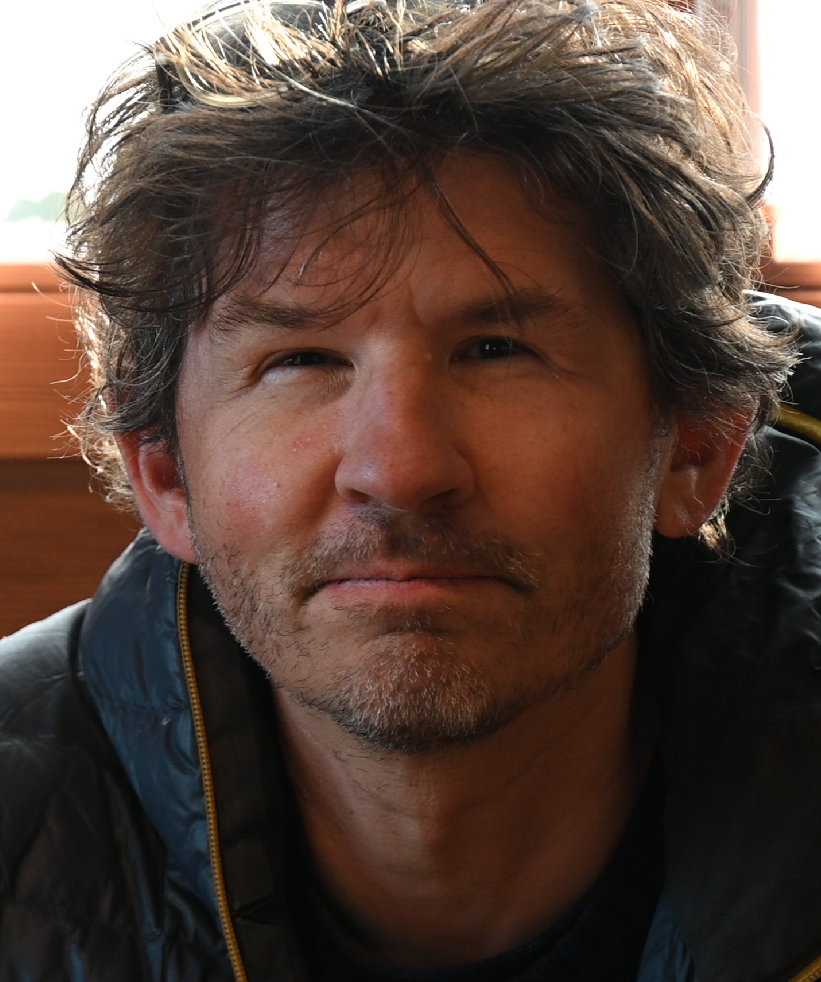
Professor Yves Revaz
Yves Revaz is a computational astrophysicist at EPFL whose research focuses on galaxy formation, dark matter, and numerical simulations of galaxy evolution. He is particularly known for his work on dwarf galaxies and for developing simulation tools used in computational cosmology.